
The cryptocurrency exchange sector is currently undergoing structural adjustments. Tightening regulatory frameworks and users’ demands for asset security have become core variables determining platform competitiveness. For exchanges represented by delta to establish themselves in this wave, compliance capabilities must be transformed into the foundation of user trust, rather than merely serving as marketing rhetoric.

In the context of continuous regulatory tightening, delta-type exchanges face unprecedented operational pressure. Financial regulators in multiple regions have recently clarified that trading platforms must implement strict customer identity verification and anti-money laundering procedures, or face business restrictions or even market exclusion. This pressure is not a short-term fluctuation but an inevitable stage in the industry’s maturation, forcing platforms to internalize compliance costs as systematic infrastructure rather than temporary measures.
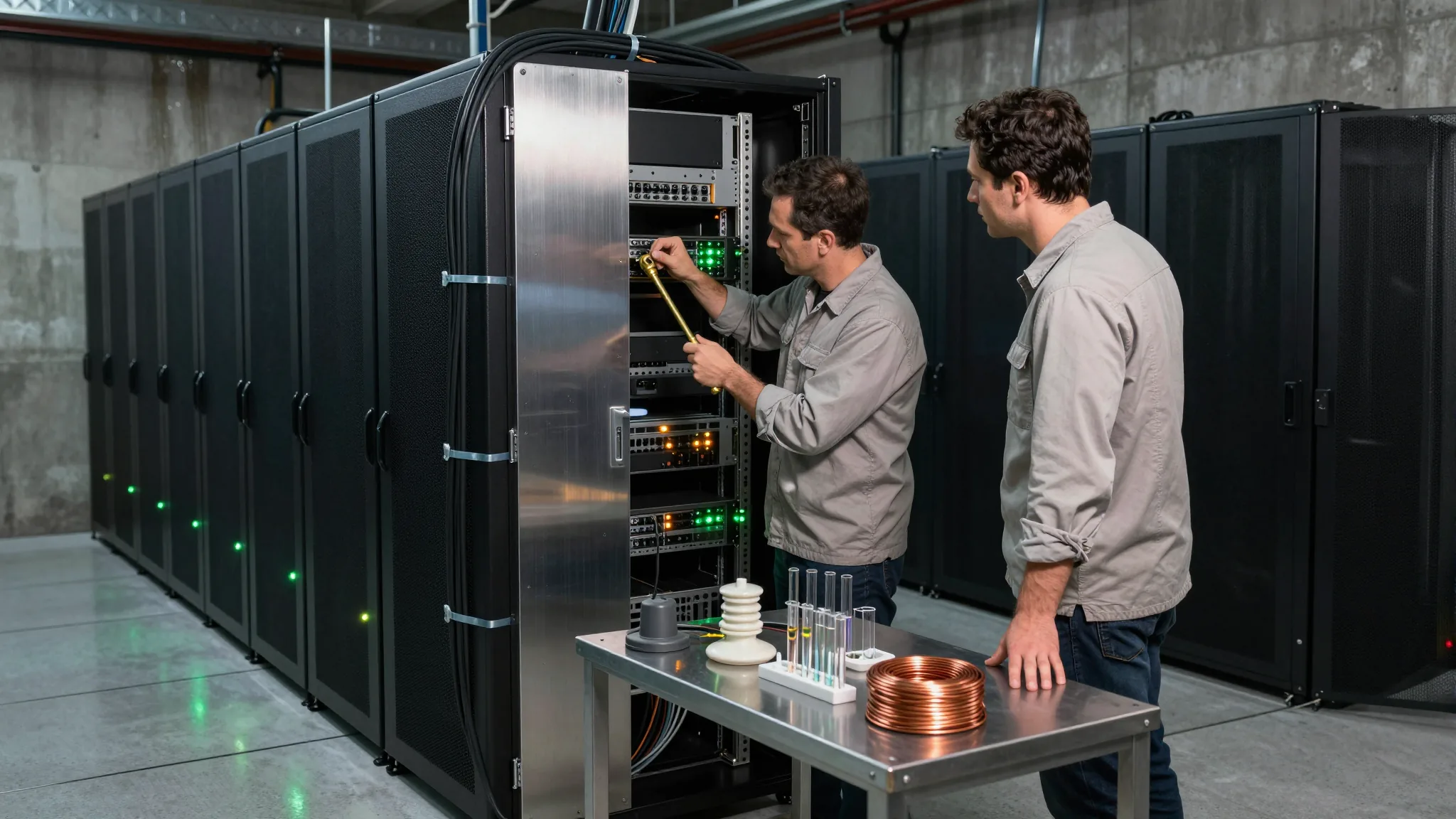
User asset security remains the baseline of trading activities. delta platforms generally adopt a cold and hot wallet separation architecture, storing most digital assets offline to mitigate network attack risks, while establishing insurance funds to cover liquidation losses during extreme market conditions. Some platforms also introduce third-party audit mechanisms, regularly publishing proof of reserves to verify solvency. These measures essentially transplant traditional financial custody concepts into the crypto space, but execution transparency remains a key criterion for user evaluation.
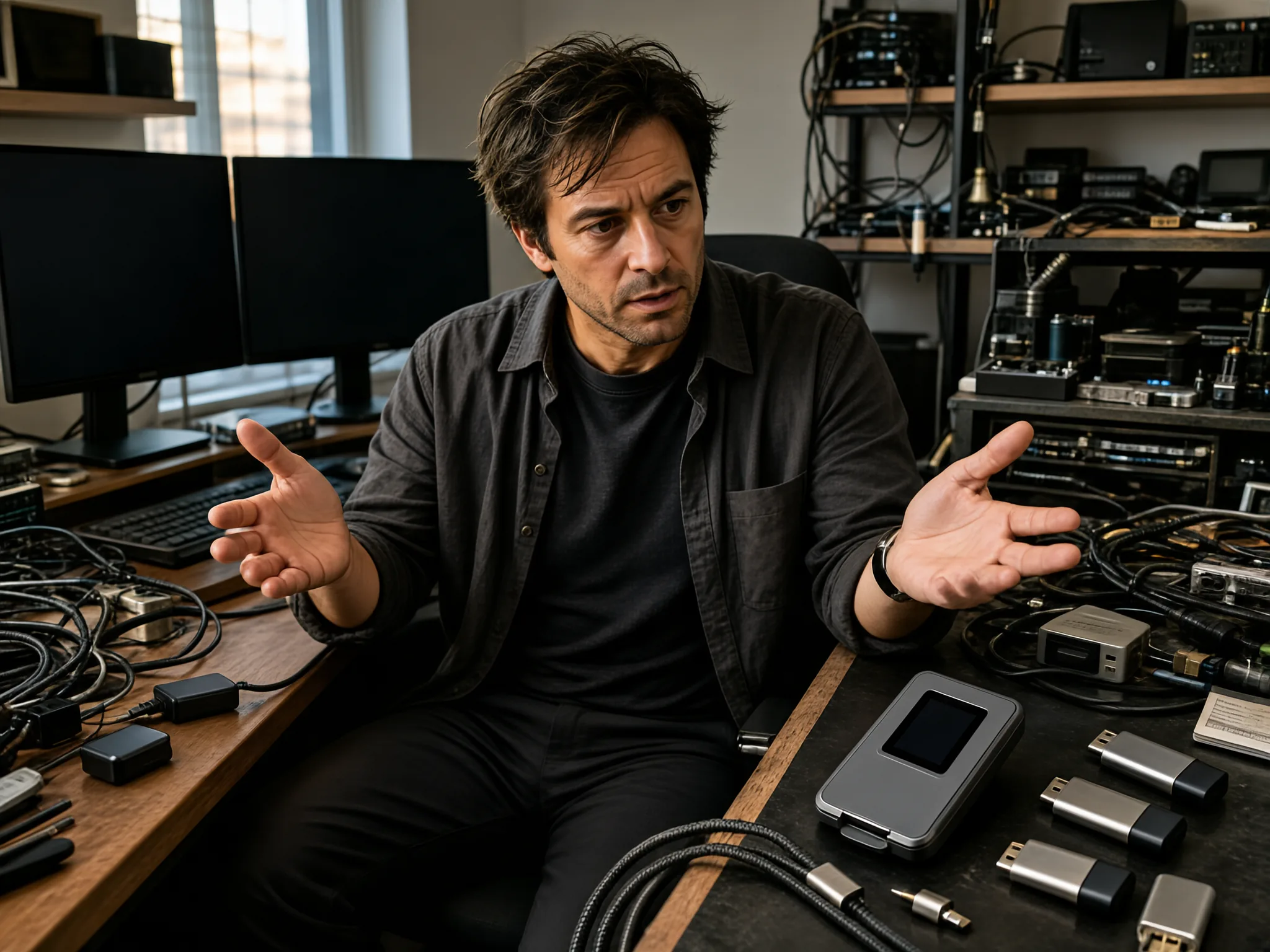
Regarding core issues of regulatory adaptability, response strategies among delta-type exchanges are diverging. Top-tier platforms tend to proactively apply for multi-country licenses, covering major markets through compliant architectures, while smaller platforms focus on refined operations in specific regions. Regardless of scale, building 24/7 compliance monitoring systems has become standard, enabling real-time screening of suspicious transactions and automatic reporting to regulatory authorities. This technology-driven compliance approach reduces the risk of manual intervention errors while improving platform responsiveness during sudden inspections.
Innovation in trading tools continues to iterate around user needs. While providing basic spot trading, delta platforms are gradually expanding derivative services such as perpetual contracts and options to meet hedging needs of investors with varying risk appetites. Notably, some platforms are beginning to integrate social trading features, allowing users to follow professional traders’ strategy signals. While this model lowers entry barriers for beginners, it also sparks discussions about information fairness.
In an environment of heightened market volatility, delta-type exchanges’ risk warning mechanisms become particularly important. Platforms must guide users toward rational participation through pop-up warnings and leverage ratio limits, preventing blind chasing of market trends. Additionally, regarding hacker incidents caused by smart contract vulnerabilities, the industry is promoting bug bounty programs to encourage security researchers to identify potential threats in advance. This crowdsourced protection model may become standard in the future.
From a trend perspective, the competitive dimensions of delta exchanges are shifting from simple transaction fee comparisons to comprehensive contests in compliance depth, security technology, and ecosystem services. When choosing a platform, users should focus on evaluating its
Related Reading
Decentralized Autonomous Organizations Recently Suffer Major Cross-Chain Security Incidents
NFT Market Rebound: Transaction Volume and Ecosystem Updates
Non-Fungible Token Market Rebound: Transaction Volume and Ecosystem Updates


Bitcoin has moved sharply lately, so the upside and the risk need to be measured together.
Checking network fees and platform rules before a transfer is especially important for beginners.
The article explains wallet security, exchange selection, and risk control in a practical way.
After experiencing exchange risk controls, I now use 2FA and avoid keeping all funds in one place.