
In 2026, many countries worldwide launched commemorative coin series to mark important historical milestones. The U.S. 250th anniversary coin program has drawn particular attention. These coins carry deep historical and cultural value and have become hot items in the collecting market because of their unique designs and limited mintage. However, amid market frenzy, collectors should calmly assess their true value, potential risks, and long-term holding feasibility.
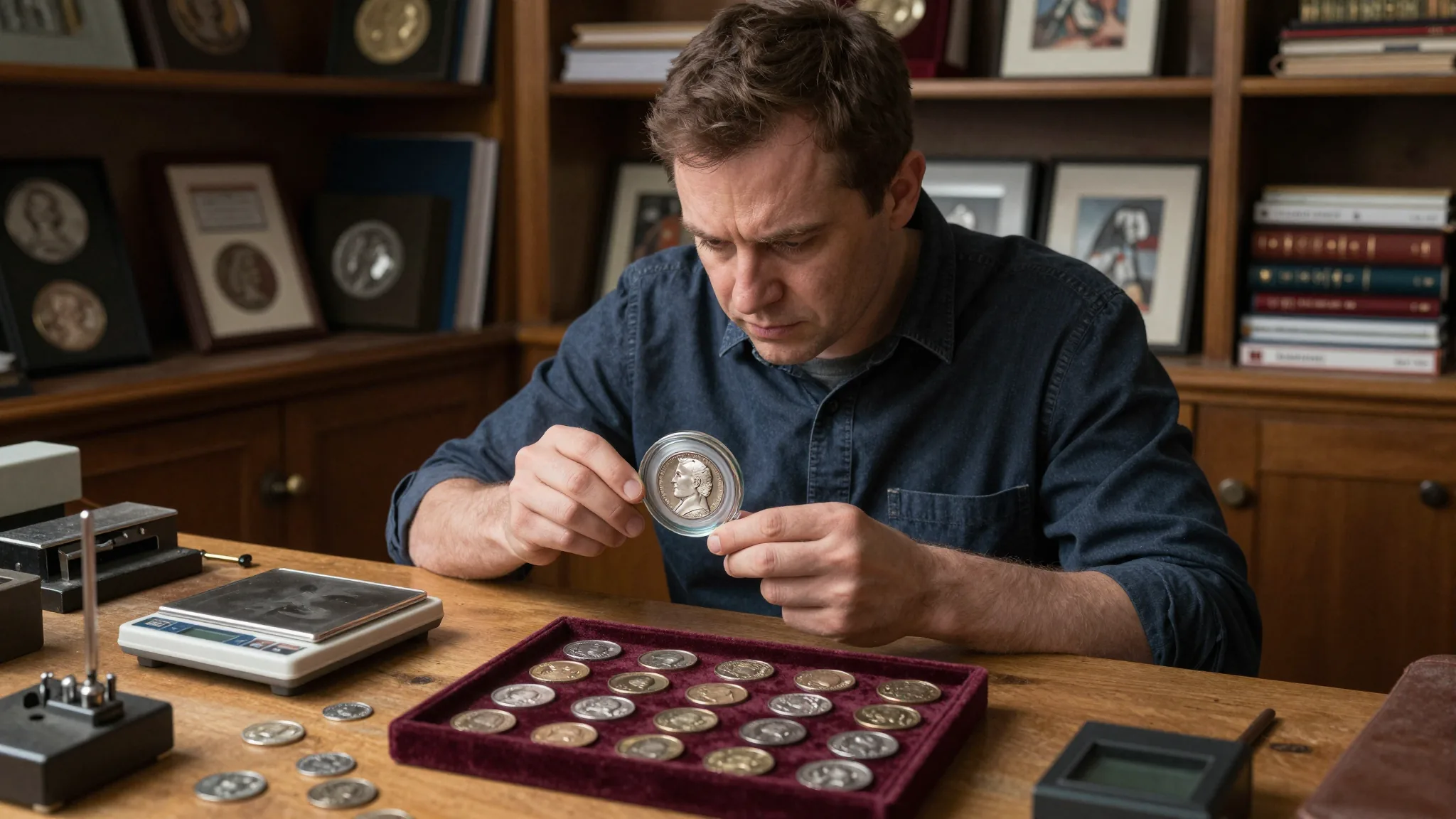
This article analyzes the 2026 commemorative coin boom from the perspectives of issuance background, market performance, collecting value, and risks, helping readers view the trend rationally and offering fact-based collecting advice. Whether you are new to coin collecting or an experienced investor, you can gain useful insights.
Why 2026 Commemorative Coins Have Drawn Market Attention
The 2026 commemorative coins have attracted widespread attention first because of their special issuance background. Taking the U.S. 250th anniversary coins as an example, the series incorporates many historical elements, such as the dual-date mark “1776-2026” and unique commemorative symbols. These designs enhance both their commemorative meaning and their scarcity and collecting appeal. In addition, some coins are issued in limited quantities, further boosting market enthusiasm.

Second, the commemorative coin market has performed strongly in recent years. Coins tied to historical events or national celebrations are often favored by collectors and investors soon after release. The 2026 coins arrived at a timely moment, attracting large capital inflows and causing some varieties to rise quickly in price. However, this rise is not based purely on intrinsic value;
The Real Value of Commemorative Coins and Premium Risks
Although 2026 commemorative coins have performed well in the market, collectors should be alert to premium risks. Some coins are bid up far above their face value or reasonable collecting value at launch. For example, certain limited silver or gold coin sets, due to low mintage and distinctive designs, have been priced at several times or even dozens of times their face value. Such premiums are often hard to sustain, and once market enthusiasm fades, prices may fall sharply, causing losses.
Moreover, a coin’s value depends not only on its design and mintage but also on its material, condition, and historical context. The market also contains counterfeits and low-quality reproductions, increasing risks for collectors. Therefore, when investing in commemorative coins, focus on authenticity and market recognition, and avoid blindly chasing high prices.
What Are the Main Risks in the 2026 Commemorative Coin Market
The main risks in the 2026 commemorative coin market include price volatility, insufficient liquidity, and market bubbles. First, because some coins have limited mintage, supply and demand can easily become imbalanced, leading to sharp price swings. If market sentiment turns negative, prices may drop quickly, making it hard for investors to exit in time. Second, compared with stocks or crypto markets, the commemorative coin market has lower liquidity, so investors may struggle to sell, especially during weak market periods.
In addition, market bubbles are a risk that should not be ignored. When large amounts of capital flood into the market and push prices up rapidly, a bubble may form. Once it bursts, prices will quickly return to rational levels, causing losses. Collectors should remain rational, avoid blindly following the crowd, and carefully assess returns and risks, especially when market heat is high.
How to Participate Rationally in 2026 Commemorative Coin Collecting
Facing the 2026 commemorative coin boom, collectors should participate with a rational and cautious attitude. First, fully understand the issuance background, design features, and market performance, and avoid making investment decisions based only on short-term hype. Second, choose reputable issuance channels and trading platforms to ensure the authenticity and legality of the coins. Also, control the investment ratio reasonably and avoid concentrating too much capital in a single variety to reduce risk.
Finally, long-term holding is an effective strategy to reduce the impact of short-term volatility. The value of commemorative coins often rises over time, especially for varieties with historical significance and scarcity. Collectors should be patient and avoid frequent trading, using time to seek value growth. In short, the 2026 commemorative coin market offers opportunities, but rational participation and scientific decision-making are key to achieving long-term returns.



Bitcoin has moved sharply lately, so the upside and the risk need to be measured together.
Checking network fees and platform rules before a transfer is especially important for beginners.
The article explains wallet security, exchange selection, and risk control in a practical way.