
The cryptocurrency airdrop ecosystem in 2026 has undergone a fundamental transformation. As regulatory frameworks gradually improve worldwide, airdrop activities are no longer merely synonymous with “free tokens” but have evolved into a complex financial behavior involving tax filing, compliance review, and asset security management across multiple dimensions. For ordinary participants, understanding the risk mechanisms behind airdrops and mastering systematic risk control methods has become an essential skill for participating in the Web3 ecosystem.
This article approaches the topic from a practical operational perspective, helping readers establish a complete risk control system for airdrop participation. We will deeply analyze the sources of airdrop risks, specific steps for identifying suspicious projects, technical methods for asset isolation, and how to maintain security bottom lines while pursuing returns. Whether you are a newcomer just entering the crypto space or a seasoned player who has participated in multiple rounds of airdrops, this guide can provide you with an actionable risk control framework.
Core Sources of Airdrop Risk
The essence of airdrop risk lies in information asymmetry and unreasonable incentive mechanism design. Project teams hold the complete smart contract code, token distribution rules, and subsequent operational plans, while participants often can only obtain limited information through public channels. The most common risk types in 2026 include: malicious contract authorization traps, where users need to sign smart contracts containing unlimited authorization when claiming airdrops, resulting in other assets in the wallet being quietly transferred;
phishing link attacks, where attackers send fake airdrop claim pages through social media or email to lure users into connecting their wallets or directly entering seed phrases;
and tax compliance risks, where tax authorities in many countries have already classified airdrop income as taxable income, but most participants lack awareness of this, leading to subsequent situations of back taxes and even fines.
In addition, there is a seriously underestimated risk—Sybil detection false positives. Many projects deploy complex on-chain behavior analysis tools to prevent Sybil attacks (where the same user registers multiple addresses to claim airdrops). If your wallet interaction pattern happens to trigger the alert rules of these tools, even if you are a genuine user, you may be blacklisted, causing all previously invested time and Gas fees to go to waste. Understanding the sources of these risks is a prerequisite for formulating effective risk control strategies.
Practical Steps for Identifying Suspicious Airdrop Projects
Before deciding whether to participate in a particular airdrop, it is recommended to follow the process below for systematic review. Step one, verify the authenticity of the project team. Check whether the project’s official website has published LinkedIn profiles of core team members and whether these profiles have sufficient historical records and career continuity. An anonymous team does not necessarily mean a scam, but if the team is completely anonymous and has no track record of past projects, the risk factor increases significantly. Step two, review smart contract security. If the project has already deployed smart contracts, you can check on a blockchain browser whether the contract code has been verified by third-party auditing firms. Audit reports from well-known auditing companies such as CertiK and OpenZeppelin serve as important security endorsements. Step three, analyze tokenomics. A reasonable airdrop project should have a clear token distribution plan, with lock-up periods for team and investor portions typically no less than 12 months. If a large number of tokens are concentrated in a few addresses with no lock-up mechanism, this means the token may face enormous sell pressure after launch.

Step four, observe community quality. Join the project’s Discord or Telegram groups and observe the responsiveness of administrators, the depth of discussion among community members, and whether there are large numbers of copy-pasted fake activity signals. A truly vibrant project community will have substantive discussions about the technical roadmap, not just urging about “when tokens will be distributed.” Step five, cross-verify information sources. Do not make decisions solely based on KOL recommendations on Twitter;
try to find consistent evaluations across multiple independent information sources. If a project is heavily promoted in only a few channels while mainstream crypto media and communities have virtually no discussion about it, this itself is a signal worth being cautious about.
Asset Isolation and Wallet Management Techniques
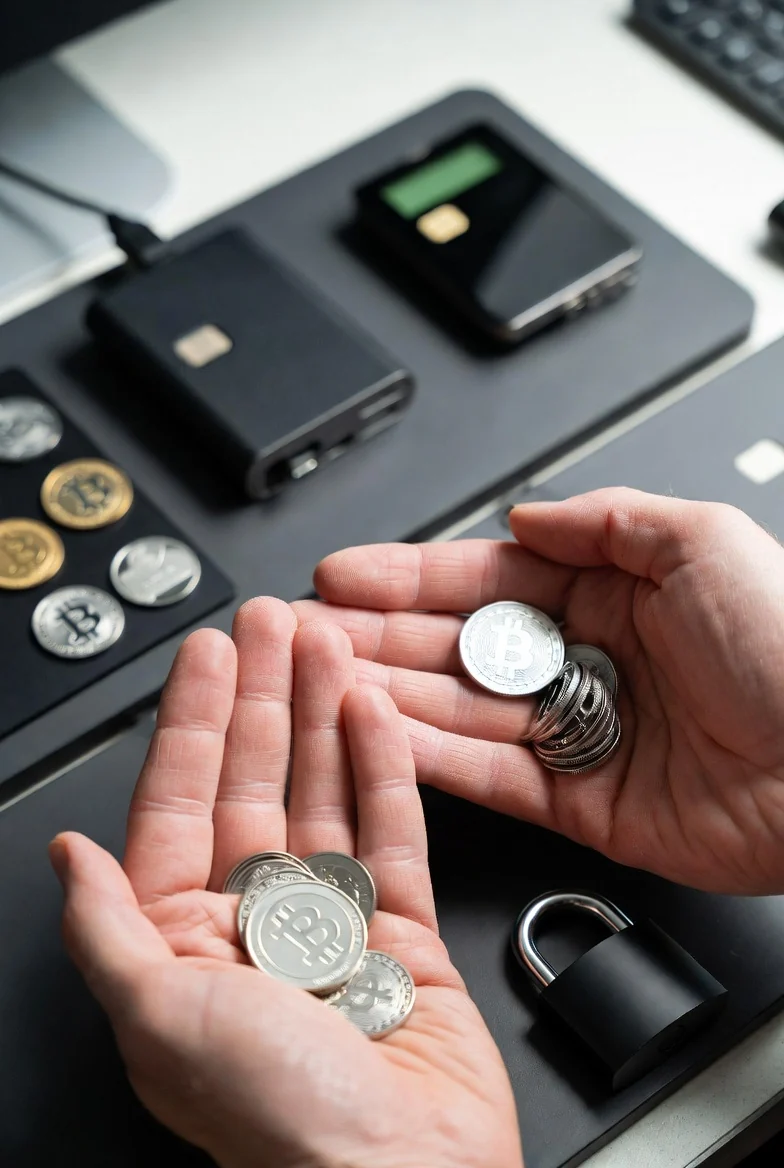
Effective asset isolation is the most fundamental and most easily overlooked risk control measure in airdrop participation. The core principle is: never use a wallet that holds primary assets to participate in unfamiliar airdrop projects. It is recommended to prepare at least three tiers of wallets. The first tier is a cold wallet, used for long-term holding of core assets. Hardware wallets such as Ledger or Trezor are the safest choice, and this wallet does not participate in any airdrop interactions. The second tier is a hot wallet, used for daily transactions and DeFi interactions, holding moderate amounts of funds. The third tier is an airdrop-specific wallet, using a brand-new wallet address for each new project. This wallet retains only enough Gas fees and does not hold any other tokens.
At the technical level, some advanced tools can also be used to enhance security. For example, using wallets with transaction preview features like Rabby can simulate transaction results before signing, helping you identify hidden authorization operations. Additionally, tools like Revoke.cash can regularly check and revoke smart contract authorizations that are no longer needed, reducing the window of opportunity for malicious exploitation. For participants in the Ethereum ecosystem, consider using smart contract wallets (such as Safe) to manage airdrop interactions. These wallets support multi-signature confirmation and transaction limit settings, which can largely reduce the risk of single points of failure. Developing the habit of checking authorization status after every airdrop interaction is an important line of defense for protecting asset security.
Tax Planning and Long-Term Risk Control Strategies
In 2026, major global economies have formed relatively clear frameworks for the tax treatment of cryptocurrency airdrops. In the United States, the IRS treats airdrop income as ordinary income, calculating the taxable amount based on the fair market value of the tokens at the time of receipt. The EU’s MiCA regulation also requires member states to report airdrop and mining income from crypto assets. For Chinese tax residents, although domestic tax collection and management of crypto asset transactions is still in the exploratory stage, with the improvement of the global tax information exchange mechanism (CRS), the tax transparency of cross-border crypto assets will increase significantly. It is recommended to record key information such as token name, receipt time, market price at the time, and Gas fees each time you receive an airdrop, to prepare for potential tax filing.
From a long-term risk control perspective, establishing a personal airdrop participation log is a highly valuable habit. This log should record the participation time for each project, Gas costs invested, the final number of tokens obtained, and disposal outcomes. By regularly reviewing this data, you can calculate the actual return rate of airdrop participation, identify which types of projects are worth continued attention, and which should be decisively abandoned. Airdrop participation is essentially a game of time and resource investment. Only by continuously optimizing strategies in a data-driven manner can you maintain a positive expected value in this highly uncertain field. Remember, in the crypto world, the most expensive lessons often come from the most tempting “free” opportunities.



Bitcoin has moved sharply lately, so the upside and the risk need to be measured together.
Checking network fees and platform rules before a transfer is especially important for beginners.